A Voyage to Permanence
Next Showcase - Upcoming
KANNA GHOR

The Wailing Room
Trapped in the room,
there exist the sobs
and the laughter
of childhoods that
vanished too abruptly,
and the grief of those
left to cope with the
emptiness left behind.

There is a strange numbness to grief these days, and it is not due to ignorance. We know what regret, sadness, and distress are. We comprehend loss and recognise misfortune. We can count how many cities were bombed and how many villages were burned down; how many children did not survive the night, and how many bodies lie buried under the rubble of collapsed structures.
There is a private corner of sorrow as well. We have all lost someone dear, and their absence keeps surfacing. A phone call that will never be answered. A birthday that will now be remembered as an anniversary. Just yesterday, we brushed past each other — I did not know you had a loss to lament, and you did not know I have been shedding tears in solitude for someone I miss every day.
Yet we miss the visceral experience of acute sorrow; we do not make an appointment for mourning. We carry the ache in silence, as if refusing to acknowledge it. What is lost is called “collateral damage”; those who are gone are “casualties,” and the dead are “bodies.” We miss that shared emotional response to tragedy. When did we last gather to shed a tear together?
In this new world, the algorithm separates us from feeling. It places us involuntarily within spaces for lament, but we cannot find a genuine outlet for that cry. With hands pressed to our mouths, we try to hold the sound in. We are shy of keening. And yet, we long to see this lost form of expression restored as a funerary ritual. Then, a thin, piercing cry cuts through. Old wounds split open again. Across the traditions of arts and letters, the representation of grief and lamentation shows a gradual shift — from the resonant public arenas of classical epics to the silent and subtle landscapes of modern prose, poetry, theatre, and song.
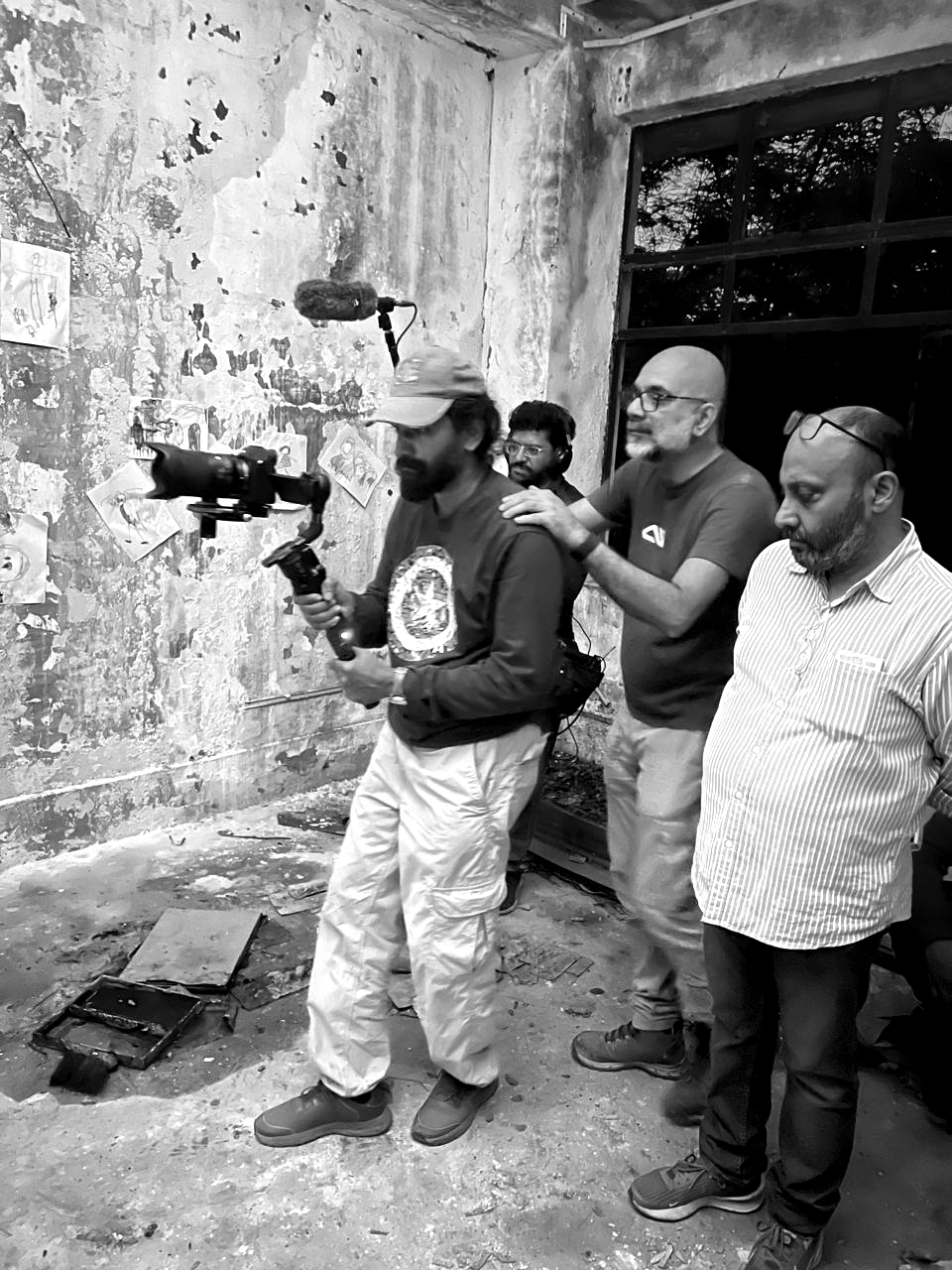
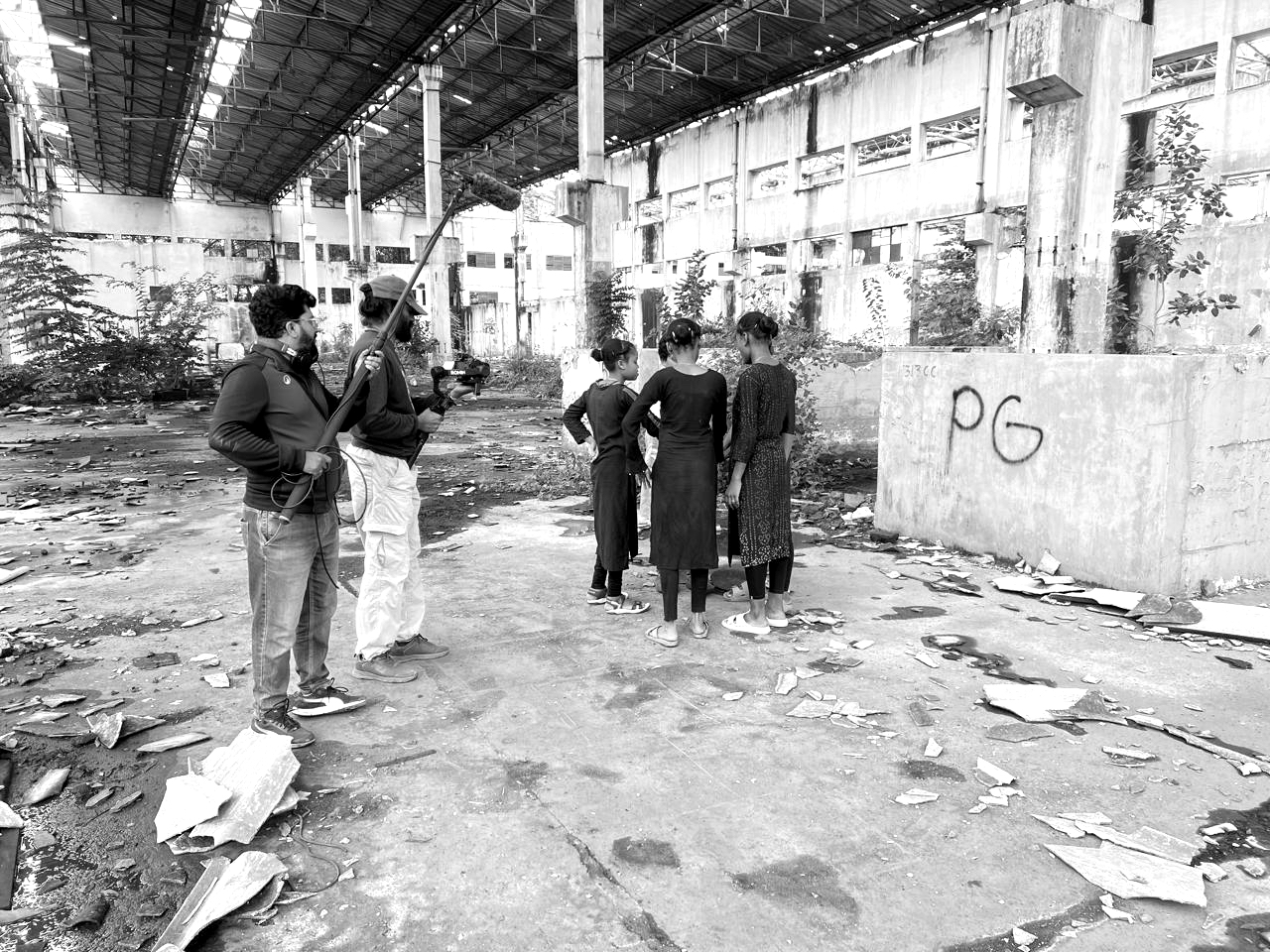
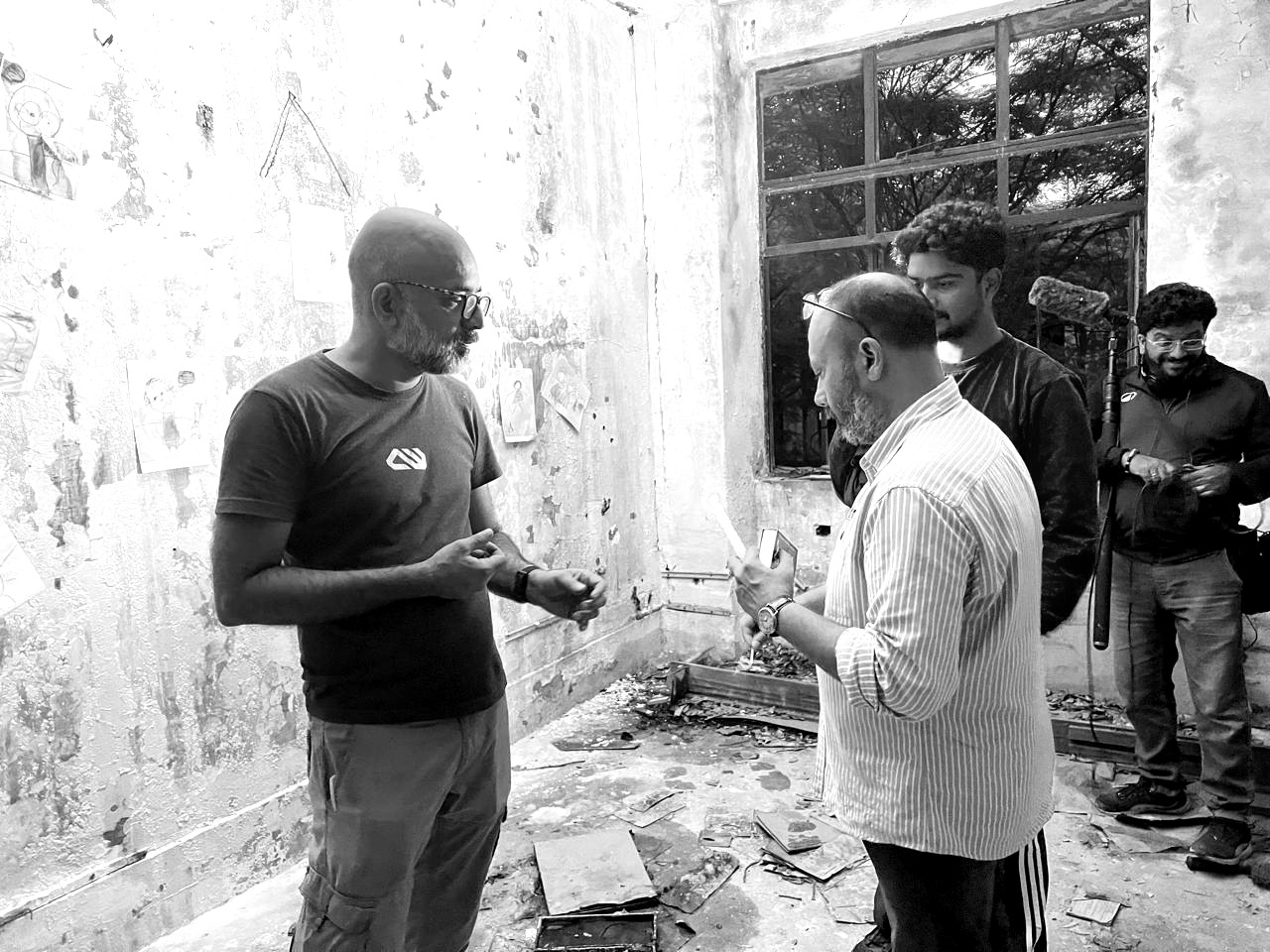
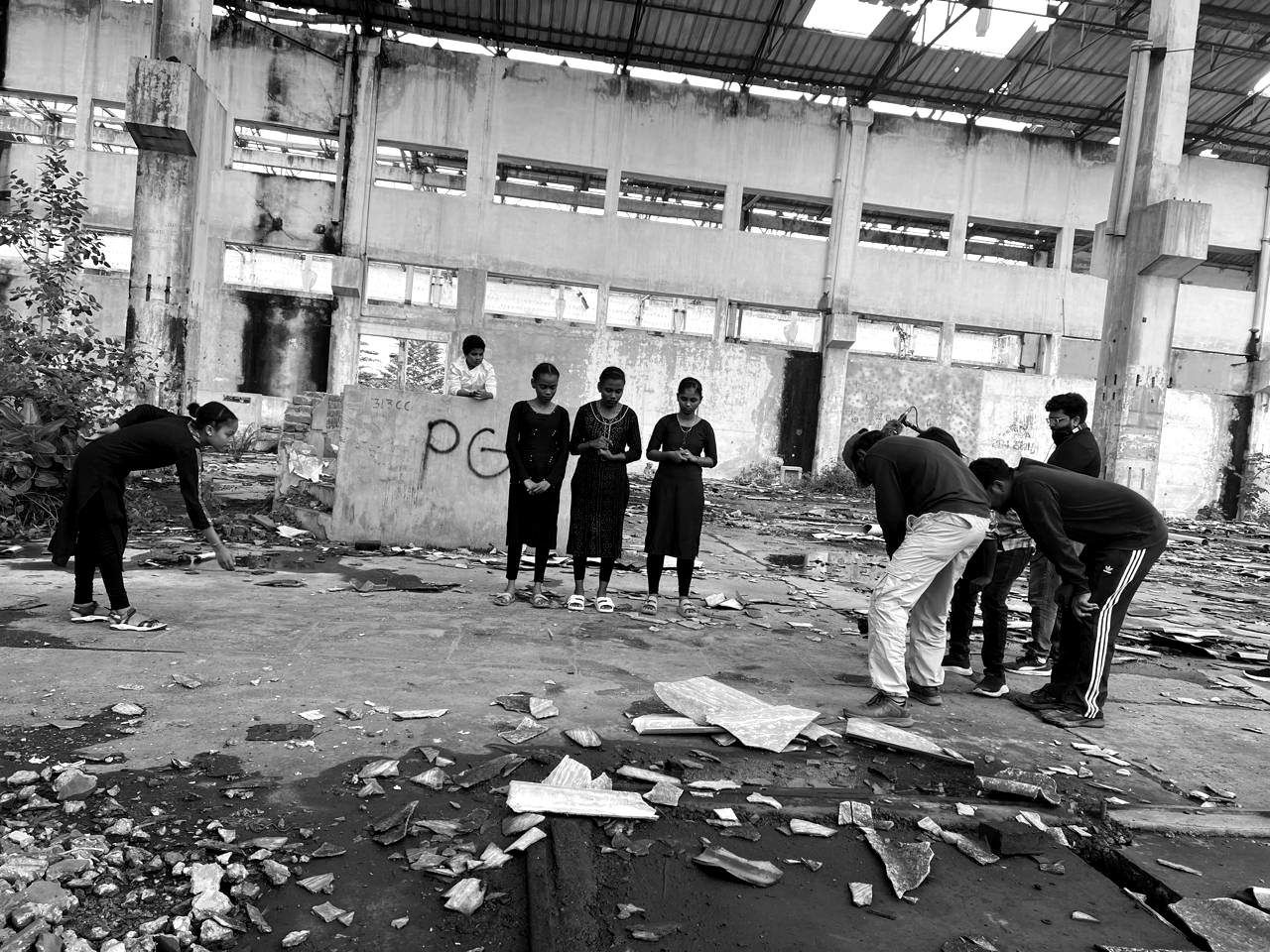
Purandar Chaudhuri’s Kanna Ghor (WailingRoom) is a space where instances of real-life loss and desolation are channelled to the forefront, by means of multidisciplinary artistic explorations.
In the era of Charlotte Brontë’s Jane Eyre or Charles Dickens’s novels, weeping was a private act, and when it went public, words failed to express the real pain. In an earlier era, King Lear cries “Howl, howl, howl, howl!” in animalistic grief, in a desperate lament, as he enters the stage carrying the body of his youngest daughter,
Cordelia, who has been hanged. In the exorcism scene towards the end of Toni Morrison’s “Beloved”, women gather to let out a collective howl. As the author puts it, “Not a song, but a wail --- a deep, ancient howl that tore the air open”. They search for “the one word that broke the back of words”. Even in folk culture, hired professional mourners howl and shriek, because they believe that’s how they honour the departed.
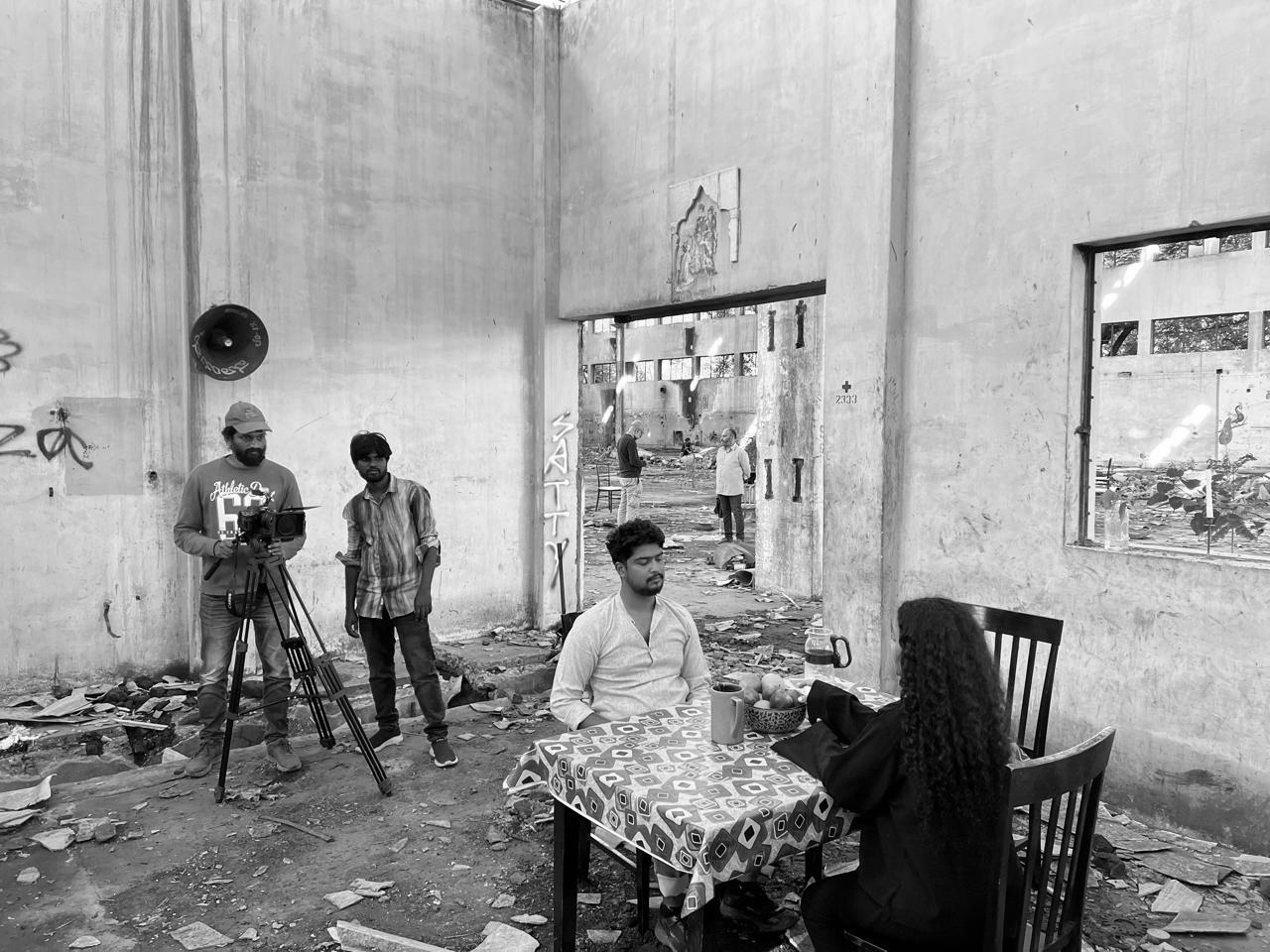
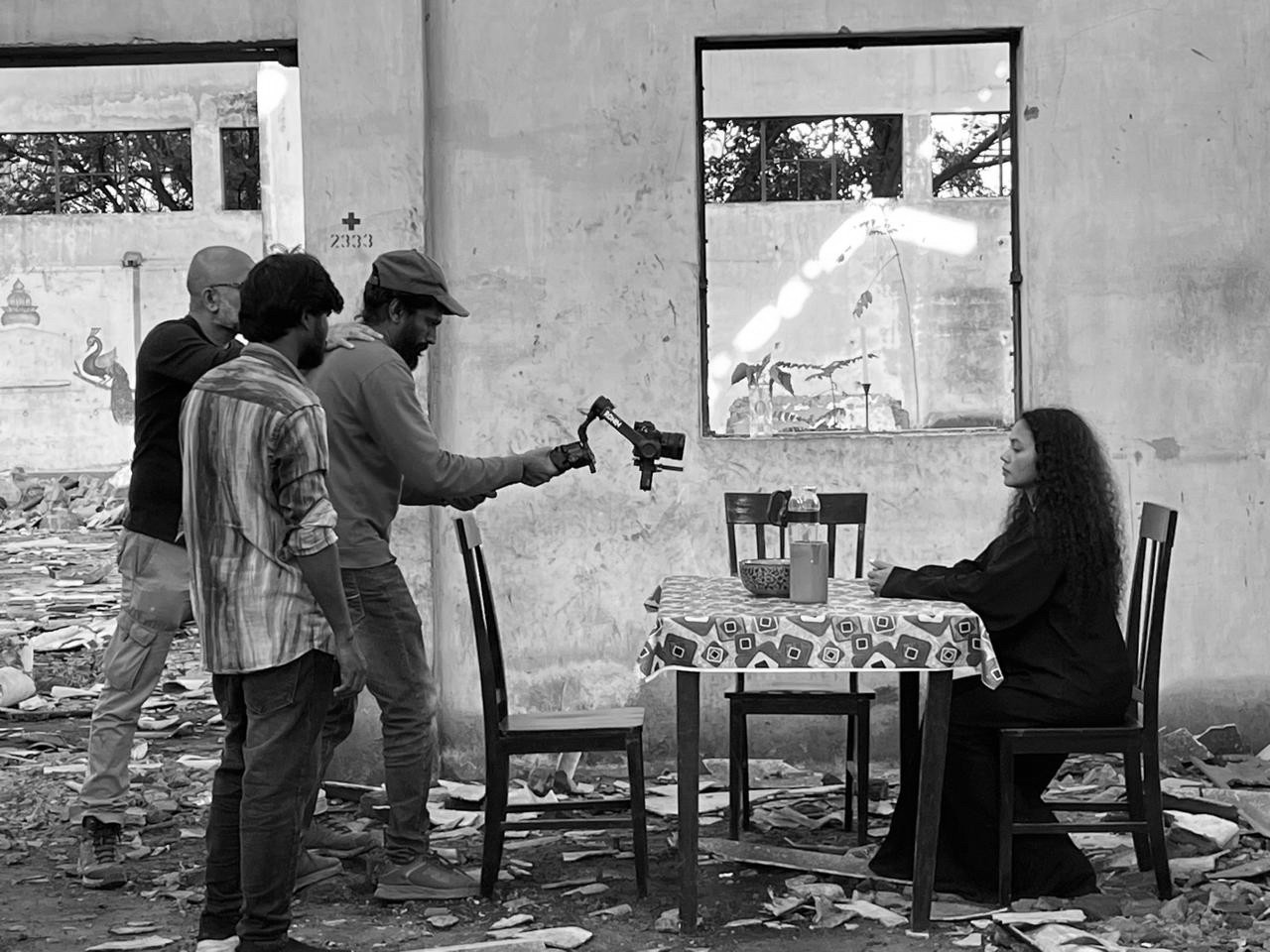
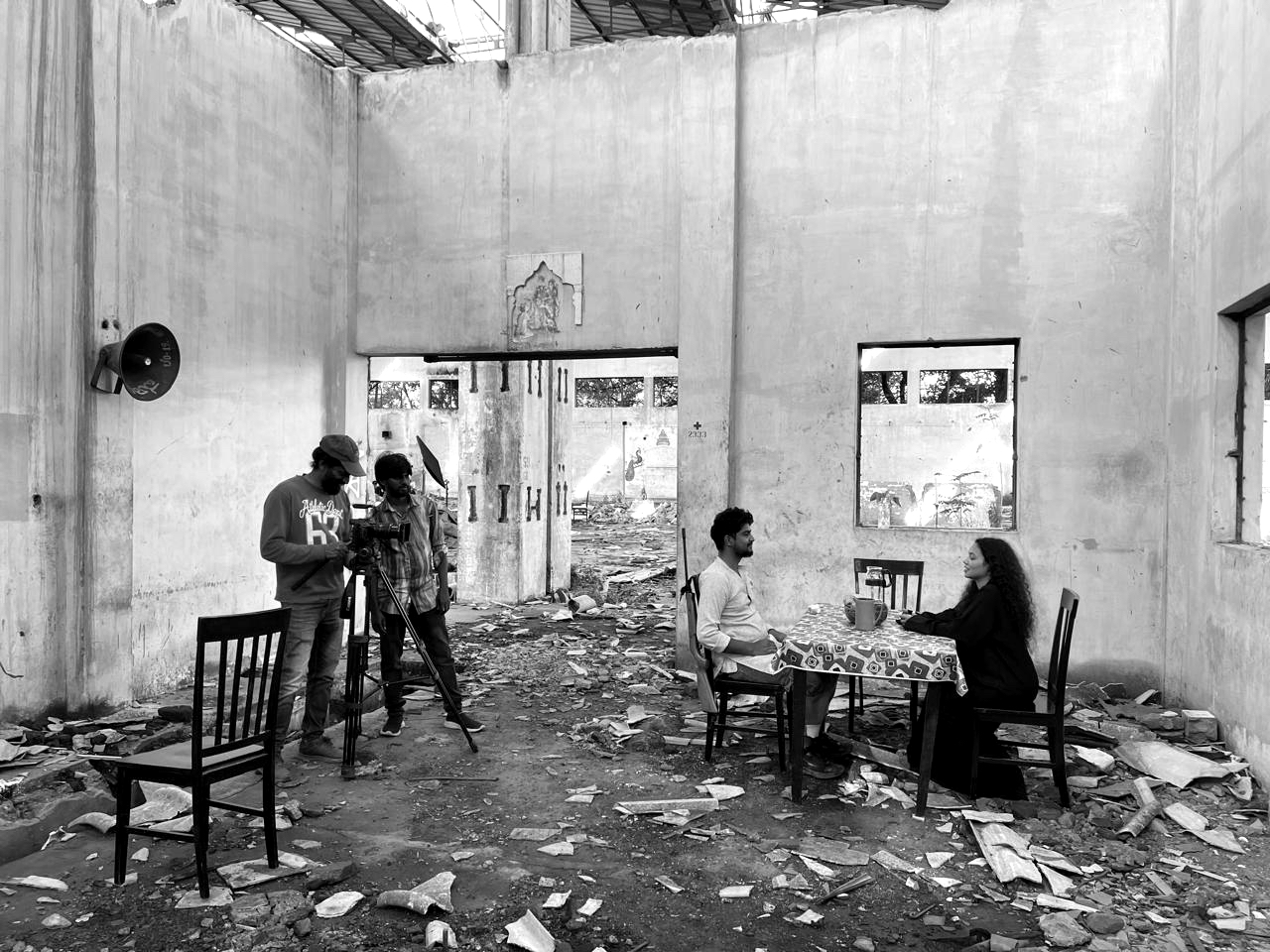
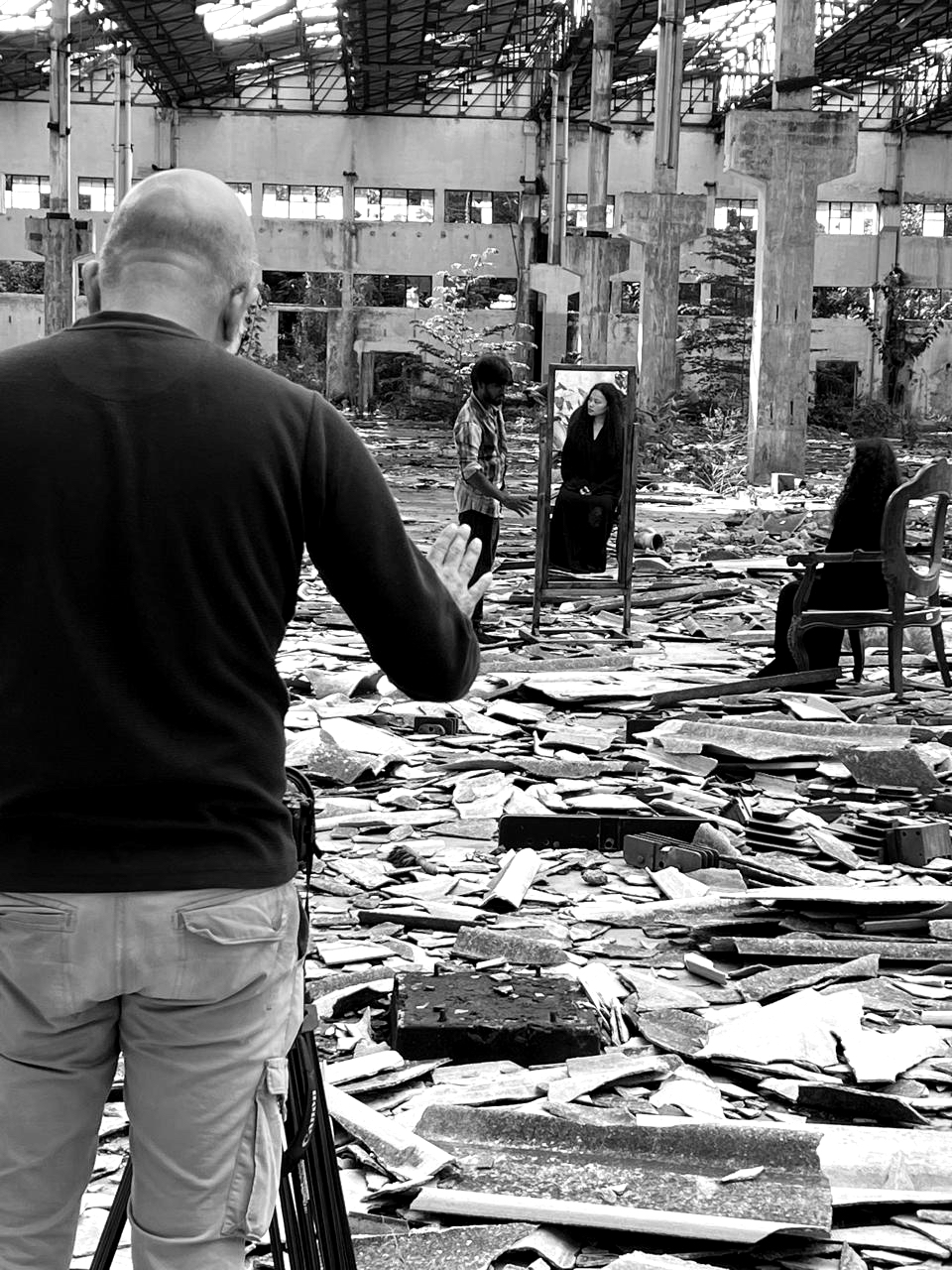
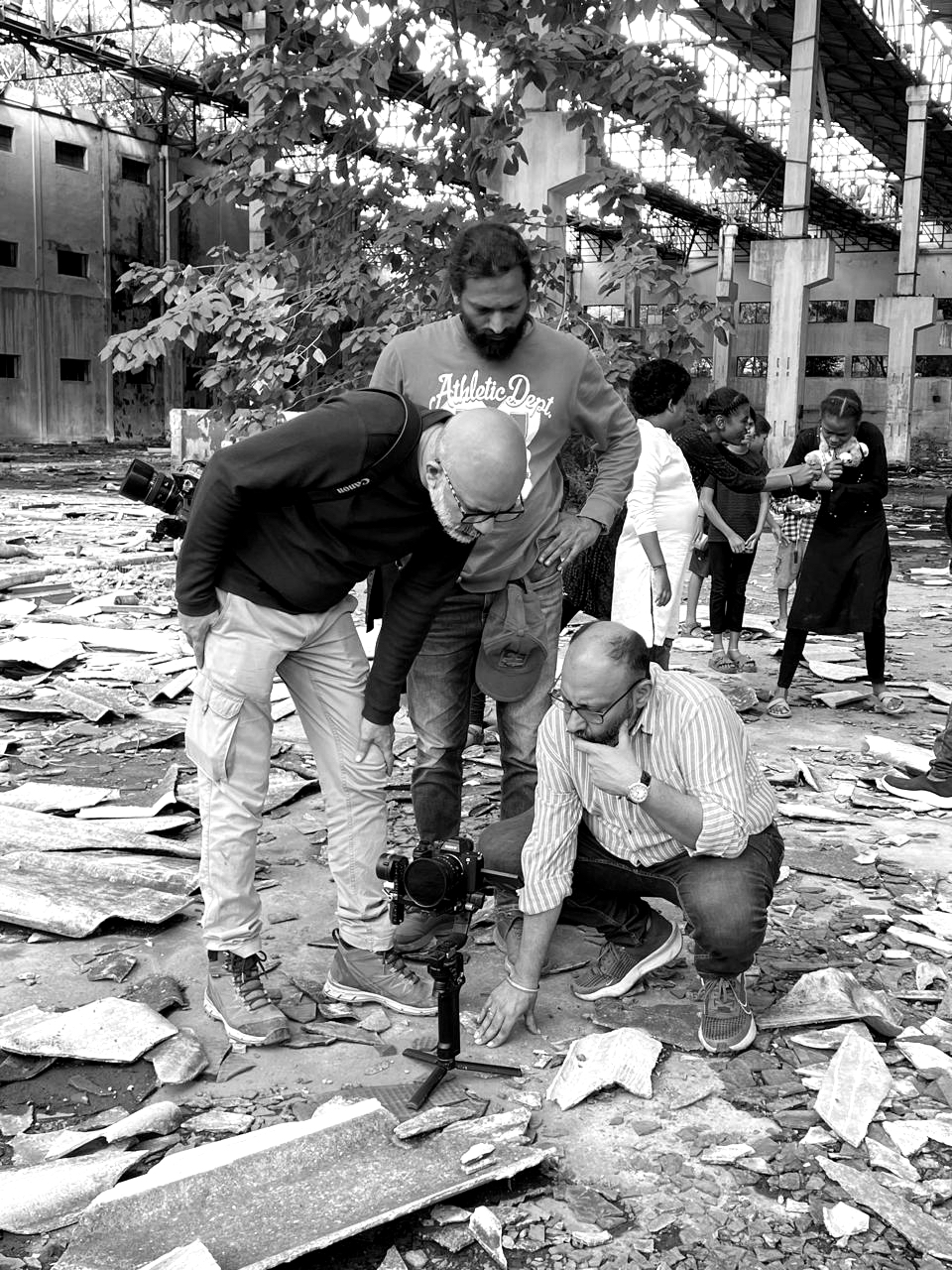
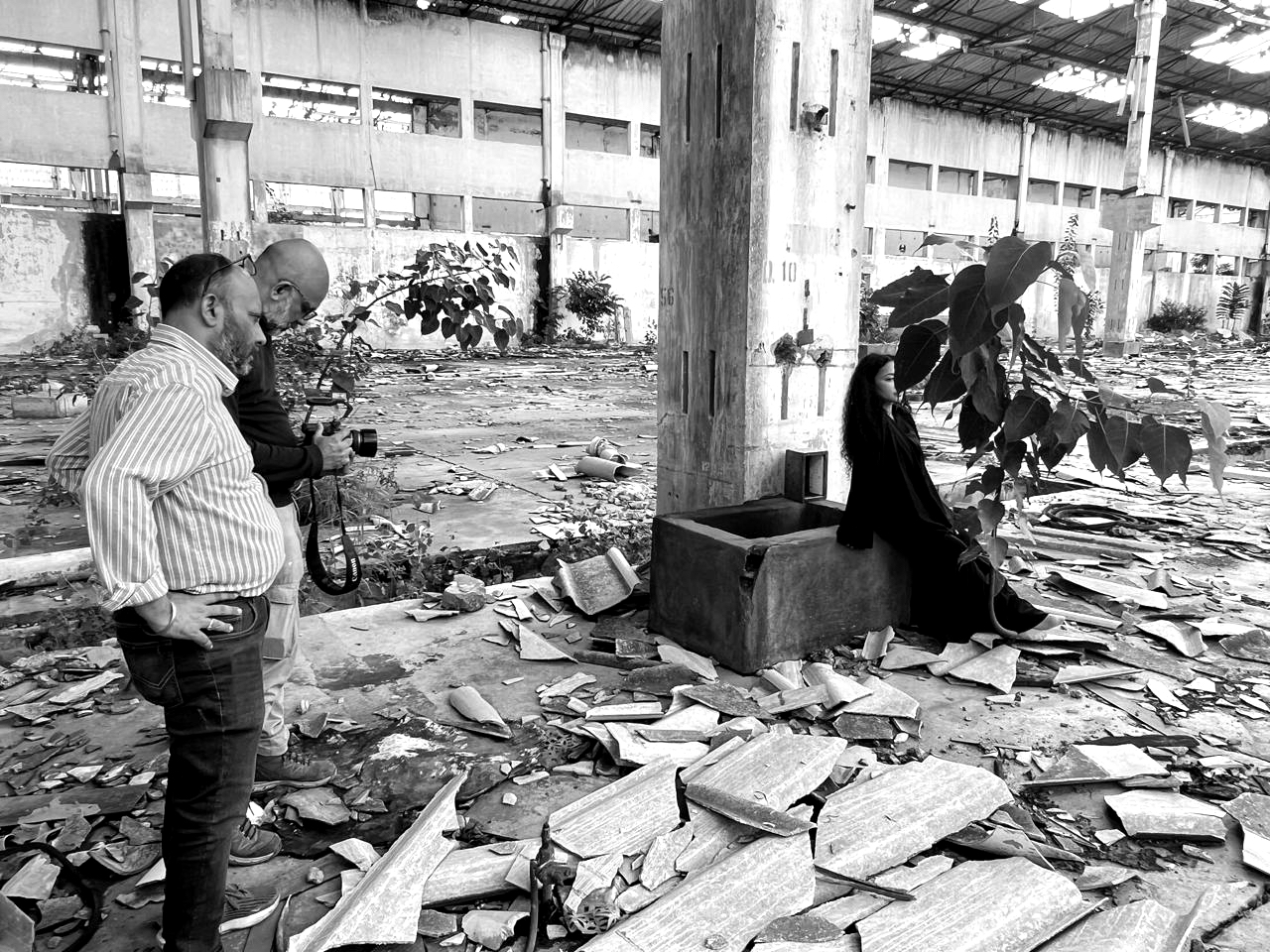
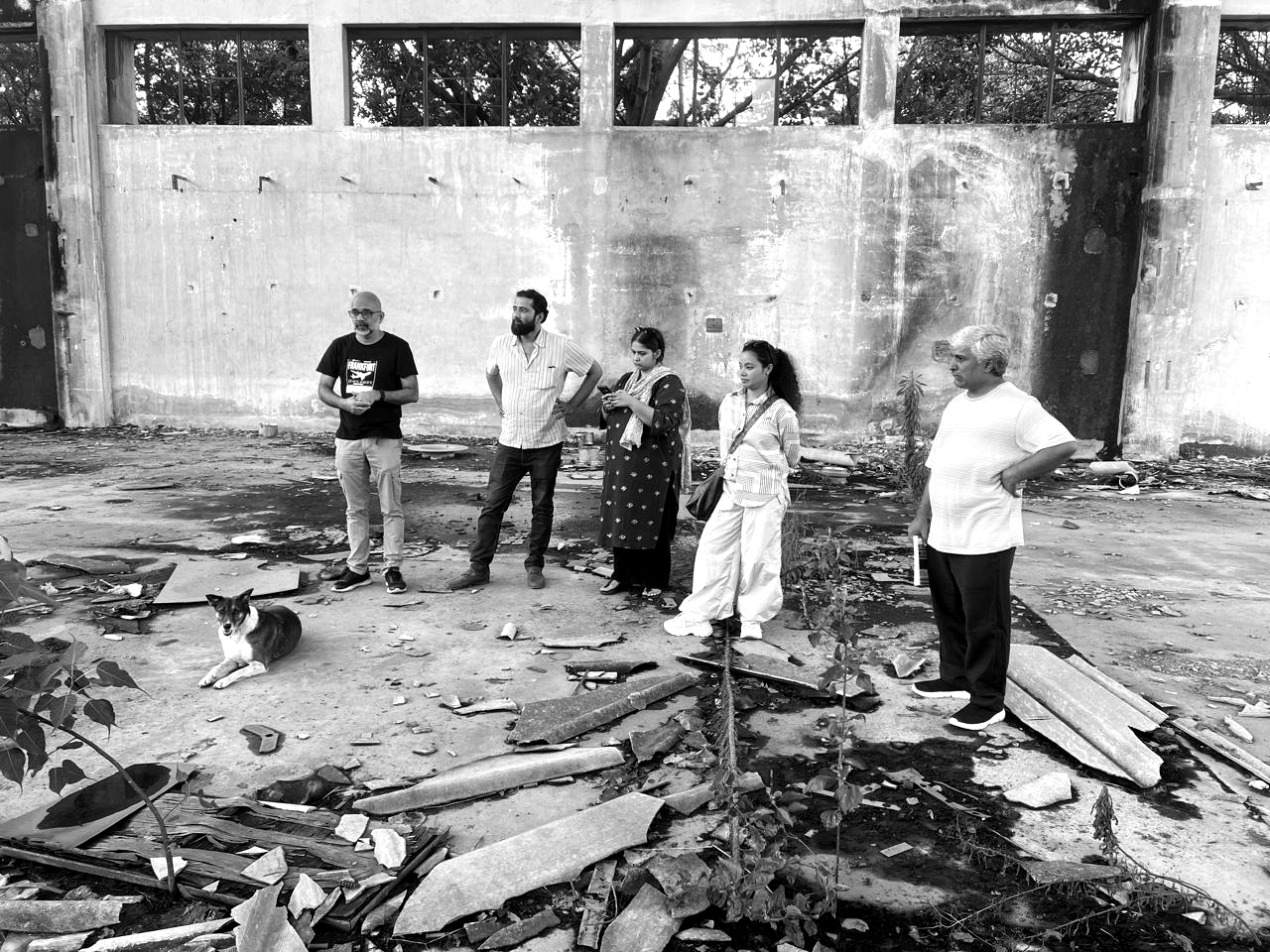
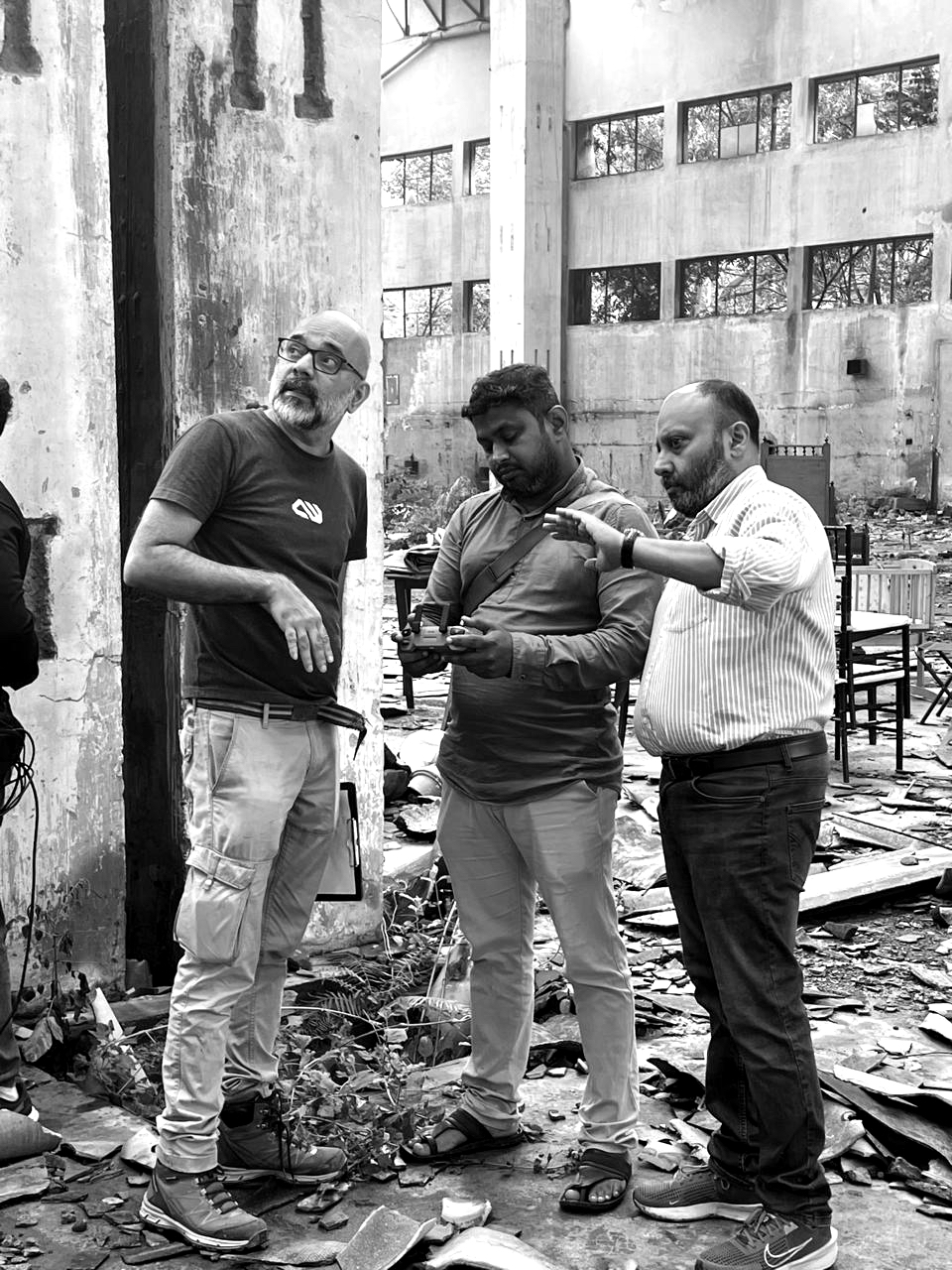
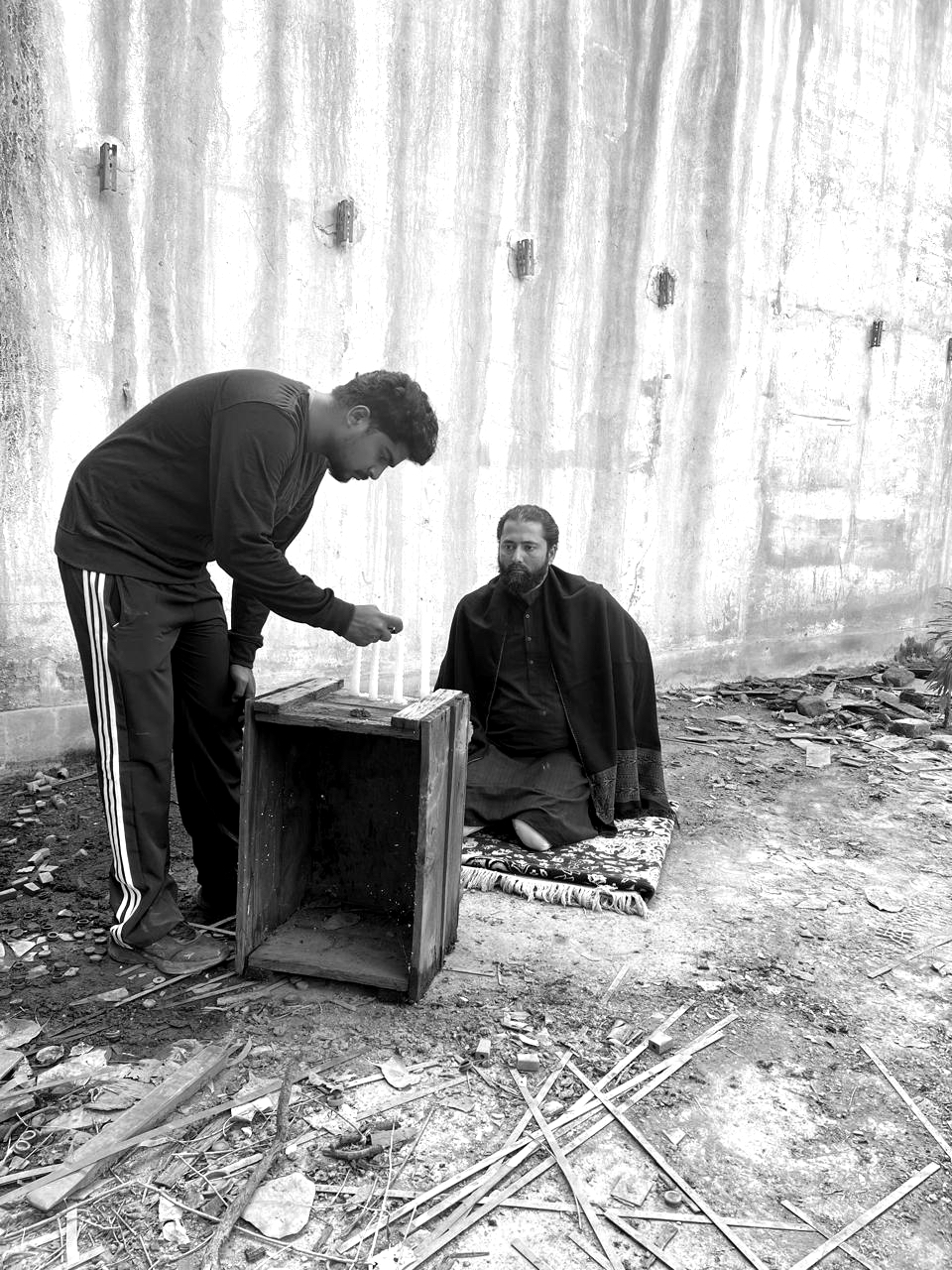
Public expression of grief, in its very nature, is seen as subversive. Purandar Chaudhuri’s “Kanna Ghor” (Wailing Room) allows for that vocal performance. It is a multidisciplinary presentation that breaks the boundaries of traditional galleries by combining multiple artistic expressions to explore the theme: stark black-and-white photographs; slow- moving images; dark, atmospheric music; songs of elegy and mourning; contemporary piano playing that produces ambient textures; expressive theatre and live threnodic drama; performance poetry that transforms private sorrow into a shared experience; and lines of prose that capture the sensory realm of loss — all in one evening’s immersive experience. It is an event that could make you feel as though you have stepped out of a storm. Indeed, the boundaries of the Wailing Room might blur.
Michal Krupa

Michal Krupa
Askari Naqvi

Askari Naqvi
Martin Bowes

Martin Bowes
Prakash Braggs

Prakash Braggs
The Artists & Performers
Sabika Abbas Naqvi

Sabika Abbas Naqvi
Dr. S Boominathan

Dr. S Boominathan
Bornali Bora

Bornali Bora
Shalmali Shetty

Purandar Chaudhuri

Purandar Chaudhuri
The Curator
Concept & Artistic Direction
Praveen Kumar

Praveen Kumar
Nemiraj Shetty

Nemiraj Shetty
Jayanth Kodkani

Jayanth Kodkani
Jooby Yohannam